Spring Lawn Care Tips
Spring is the time to revive your lawn after winter’s harsh conditions. Focus on cleaning, prepping, and boosting growth.
Rake and Remove Debris – Clear away leaves, branches, and dead grass to prevent mold and let sunlight reach your lawn.
Aerate the Soil – Loosen compacted soil to improve air and water flow.
Apply Fertilizer – Use a nitrogen-rich fertilizer to promote strong spring growth.
Weed Prevention – Apply pre-emergent herbicides early to stop weeds before they sprout.
Tune Up Your Mower – Sharpen blades and check oil and filters before regular mowing begins.
Summer Lawn Care Tips
Summer heat can stress your lawn, so the focus is on hydration and maintenance without overdoing it.
Water Deeply & Early – Water 2–3 times per week, early in the morning, for best absorption.
Raise Mower Height – Taller grass shades roots and helps retain moisture.
Watch for Pests & Diseases – Look for brown spots or patchy areas and treat promptly.
Avoid Fertilizing in Extreme Heat – Too much fertilizer can burn grass in hot conditions.
Fall Lawn Care Tips
Fall is the best time to prepare your lawn for winter and ensure a strong comeback in spring.
Overseed Thin or Bare Spots – Improve lawn density before temperatures drop.
Apply Fall Fertilizer – Use a high-potassium fertilizer to strengthen roots.
Rake Leaves Regularly – Prevent leaf buildup, which can suffocate grass.
Aerate Again if Needed – Especially important if your lawn saw heavy summer use.
Schedule a Final Mow – Keep grass around 2.5–3 inches going into winter.
Winter Lawn Care Tips
Even in dormancy, your lawn still needs a little care during winter months.
Avoid Foot Traffic on Frosted Grass – Frozen blades can break and cause damage.
Clear Debris After Storms – Remove fallen branches or wet leaves that trap moisture.
Keep Equipment Maintained – Winter is a great time to service your lawn tools.
Plan Ahead for Spring – Contact your lawn care provider early to schedule spring services.
Promotes Healthy Growth
Trimming away dead, diseased, or damaged branches helps redirect the plant’s energy to healthy limbs and new growth. This improves air circulation, sun exposure, and overall vitality — especially for flowering shrubs and fruit trees.
Prevents Disease & Pest Infestations
Dead or overcrowded branches can attract pests and encourage fungal diseases. Regular trimming eliminates these problem areas early, reducing the risk of large-scale damage.
Improves Curb Appeal
Neatly trimmed trees and shrubs instantly make your property look cleaner, more cared for, and professionally maintained. Overgrown bushes or low-hanging limbs can block views, cover signage, or give a neglected appearance.
Enhances Safety
Broken or overextended limbs can fall during storms or high winds — posing serious safety risks to people, vehicles, and buildings. Trimming minimizes hazards before they become costly accidents.
Encourages Shape & Structure
Routine pruning keeps your trees and bushes shaped beautifully and proportionately — especially important for hedges, topiaries, or ornamental trees. It also helps prevent overcrowding that can stunt plant growth.
Saves Money Over Time
Neglecting your trees and shrubs may lead to expensive removal or emergency services later. Regular maintenance is a low-cost, high-impact way to protect your landscaping investment.
How Often Should You Trim?
The ideal trimming schedule depends on the plant type, age, and location, but here’s a general guideline:
Shrubs & Hedges: Every 2–3 months during the growing season
Deciduous Trees: Once a year (typically in late winter or early spring)
Evergreens: Light shaping 1–2 times per year
Flowering Shrubs: After blooming (for optimal flower production)
What Is Power Washing?
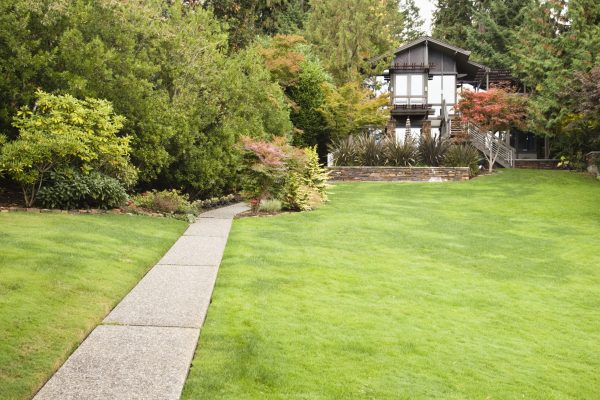
Power washing (also known as pressure washing) uses high-pressure water to remove dirt, algae, moss, mildew, and stains from outdoor surfaces. It’s a fast and effective way to restore everything from concrete and wood to stone and siding.
We use professional-grade equipment and eco-friendly cleaners that safely deep-clean surfaces without damage.
When Should You Power Wash?
✔ Spring & Summer: Clean away winter buildup, prepare for outdoor gatherings, or freshen up curb appeal.
✔ Fall: Remove leaves, mold, and dirt before the cold weather sets in.
✔ Before Painting or Sealing: Prepares the surface for better paint adhesion or sealing.
✔ Selling Your Home: A freshly cleaned exterior increases home value and buyer appeal.
✔ After Storms or Renovations: Clear construction dust, mud, and debris.
Signs You Need Power Washing Now:
Green algae or black streaks on siding
Slippery walkways or moldy patios
Faded, dirty-looking fences or decks
Stained driveways or oil spots
Moss or mildew buildup on roofs or gutters
Pollen, dust, or spiderwebs around windows and entryways
✅ Top Benefits of Professional Power Washing
1. Instantly Boosts Curb Appeal
Make your home or business look fresh, clean, and well-maintained.
2. Prevents Damage
Removing mold, mildew, and grime protects your siding, roof, and hard surfaces from long-term damage and decay.
3. Increases Property Value
A clean exterior adds to your property's market value — essential before selling or renting.
4. Saves Time & Energy
Forget scrubbing for hours. Our commercial-grade equipment cleans surfaces thoroughly and efficiently.
5. Safer & Healthier Environment
Power washing removes allergens, bacteria, and pollutants that build up on outdoor surfaces.
Surfaces We Clean:
✅ Driveways & Walkways
✅ Patios & Decks
✅ House & Garage Siding
✅ Stone, Brick, and Concrete
✅ Roofs & Gutters
✅ Fences, Outdoor Furniture, and More